.png "pattylulogo 2026 (2)")
.png "pattylulogo 2026 (2)")
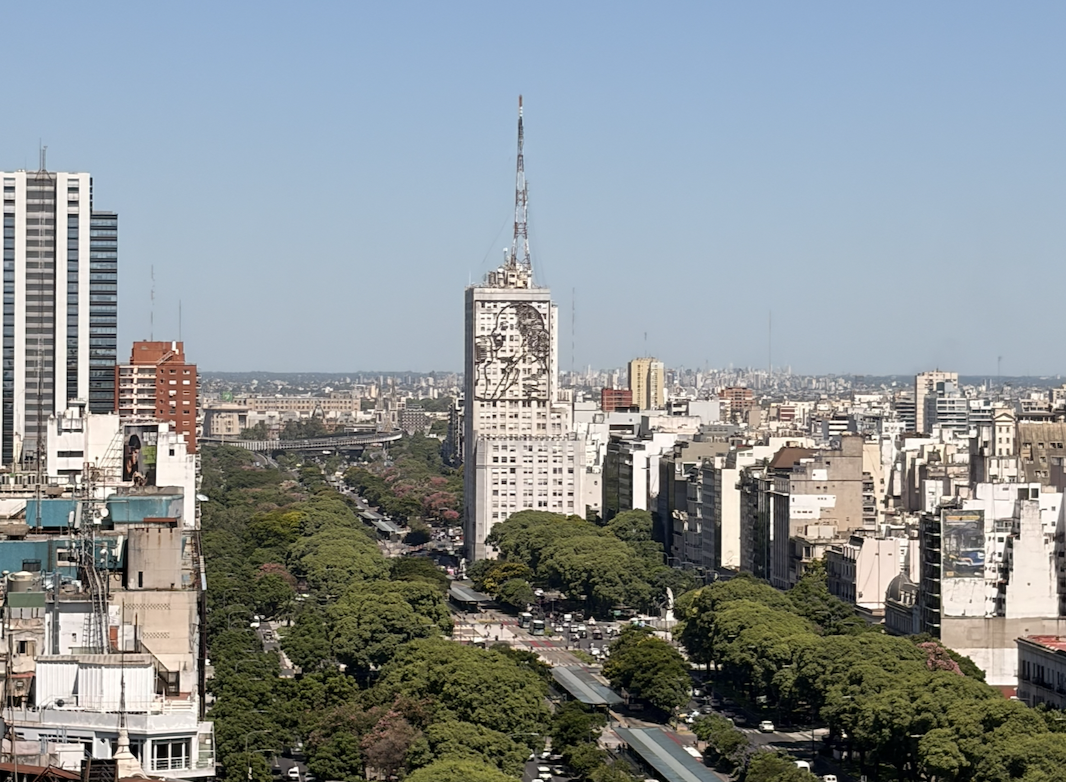
On my latest trip I finally unlocked a destination that, incredibly, was still missing from my list: Argentina.
A journey that starts in Buenos Aires, an intense and magnetic city, then pushes on to the endless spaces of Patagonia.
In this first blog dedicated to this magnificent land, I will talk about Buenos Aires, the Capital, shaped by its elegance, energy, and its Latin Soul.
Buenos Aires isn’t a city to visit. It’s a city to live.
A city that throbs, blending European elegance with a South American soul, where every corner tells a story of immigration, culture, and passion.
Walking through modern districts like Puerto Madero and more authentic areas like La Boca, you immediately feel a fascinating contrast: on one side order and modernity, on the other the warmth and chaos typical of Latin life.
And then there’s him: Tango, not just a dance, but a language made of glances and silences, suspended between melancholy and seduction. Sometimes you meet it on the street, all of a sudden… as if the city itself wanted to tell its story.
My walking tour:
the true heart of Buenos Aires
I chose to start discovering the city with a private walking tour, accompanied by a local guide.
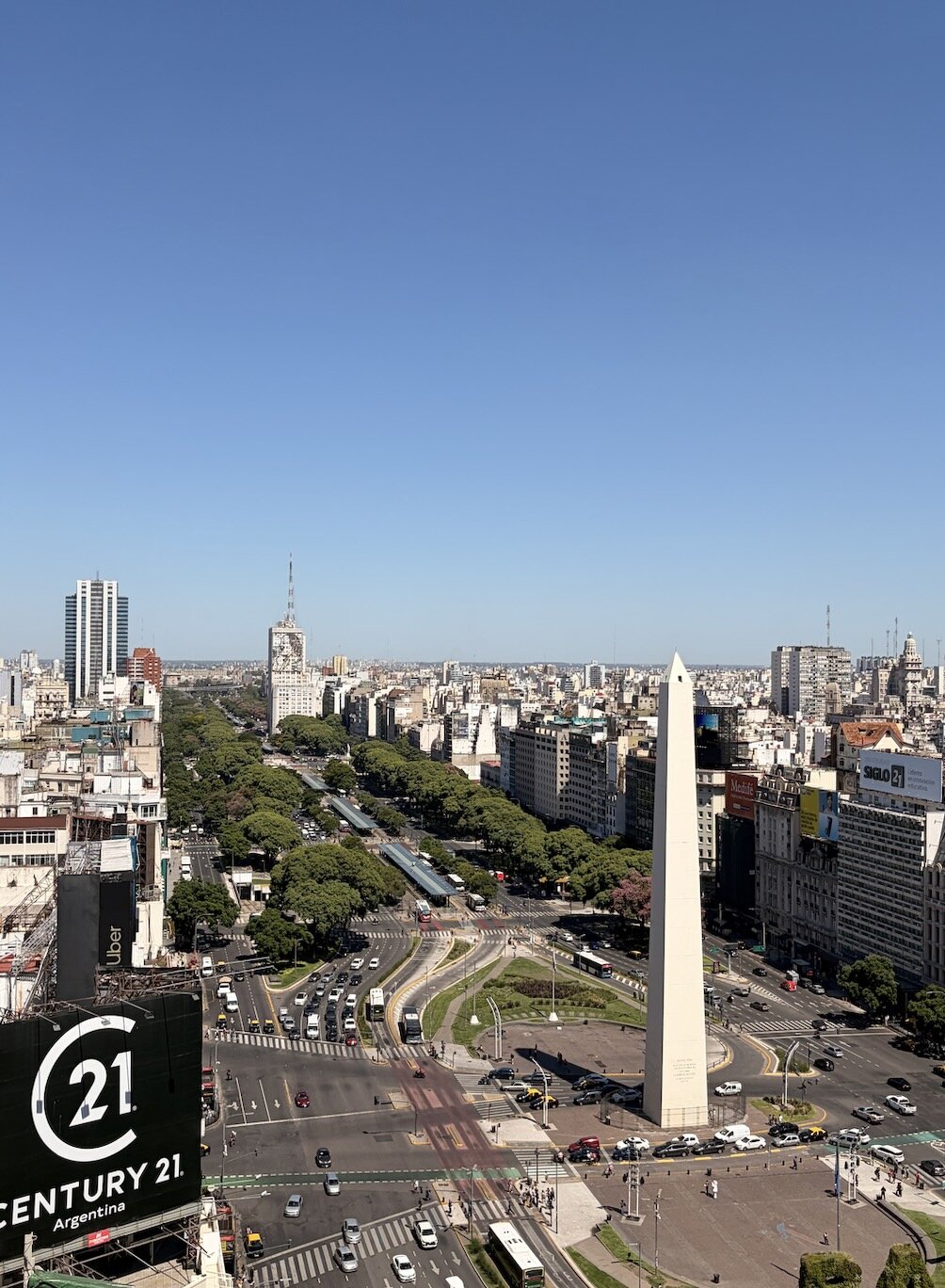
The day began at my hotel, the Marriott Buenos Aires Downtown, chosen for its strategic location, right in front of the iconic Obelisk.
Set in the middle of the immense Avenida 9 de Julio – considered the widest street in the world – at the intersection with Avenida Corrientes, the Obelisk represents the beating heart of the city.
Not far away, your gaze is caught by a gigantic image: the face of Evita Perón, one of Argentina’s strongest symbols.
Plaza de Mayo:
history, memory and identity
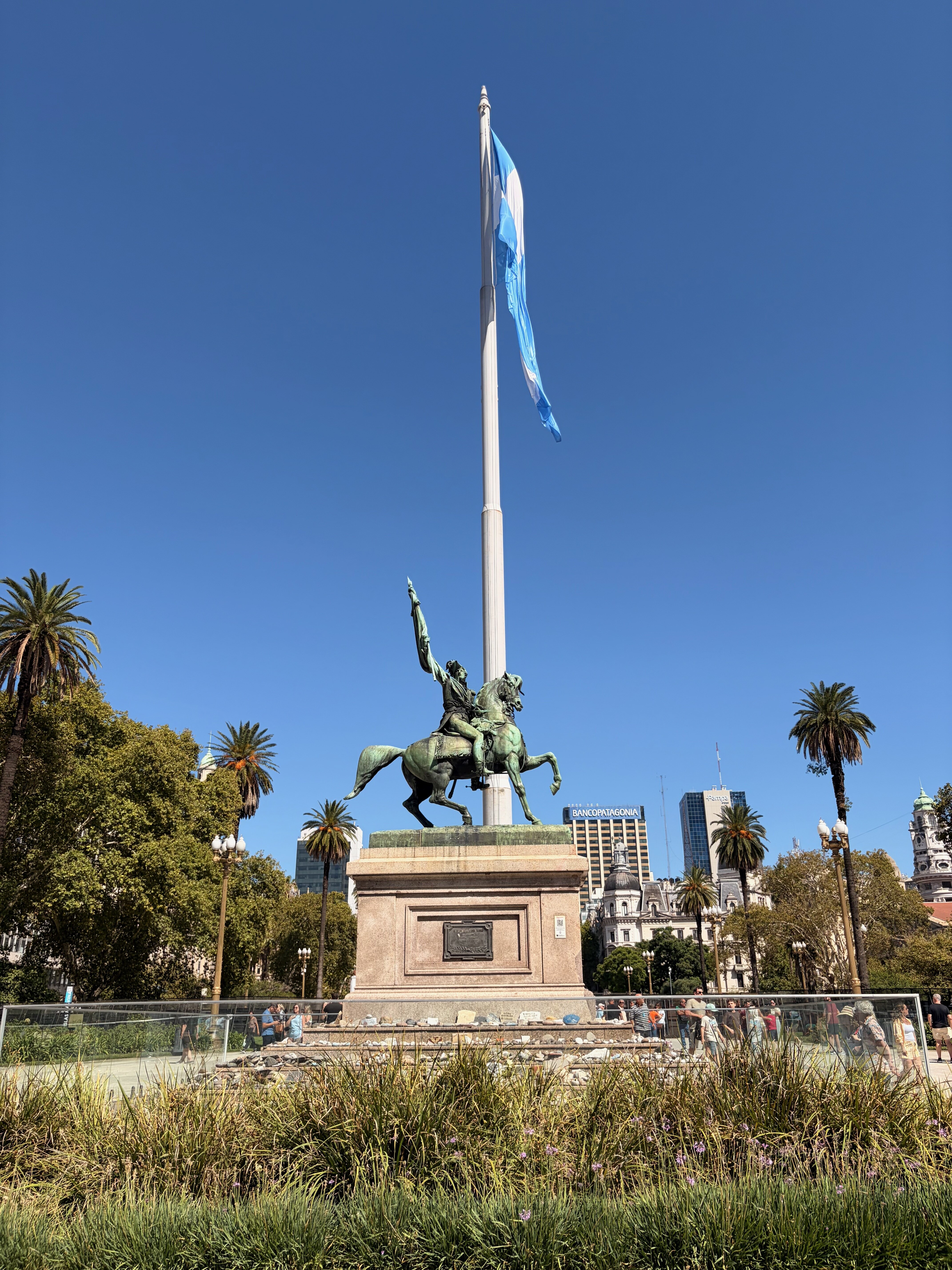
The tour continues toward one of the country’s most important places: Plaza de Mayo.
Here stand symbolic buildings such as:
the Casa Rosada, seat of the Argentine government
the Metropolitan Cathedral, where Pope Francis celebrated Mass before becoming pontiff
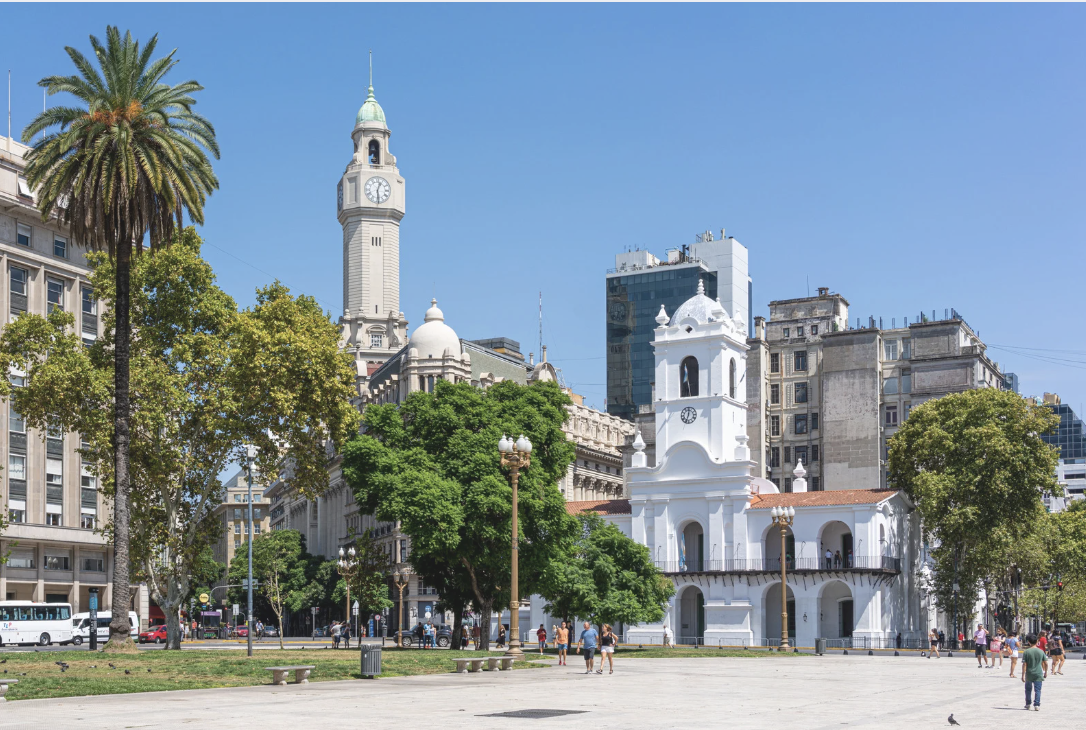
the Cabildo Nacional, a historic colonial building that was the administrative center during the Spanish era.
But what strikes you most about this place, I’d say, almost sacred, is not only the architecture. It’s the details……..
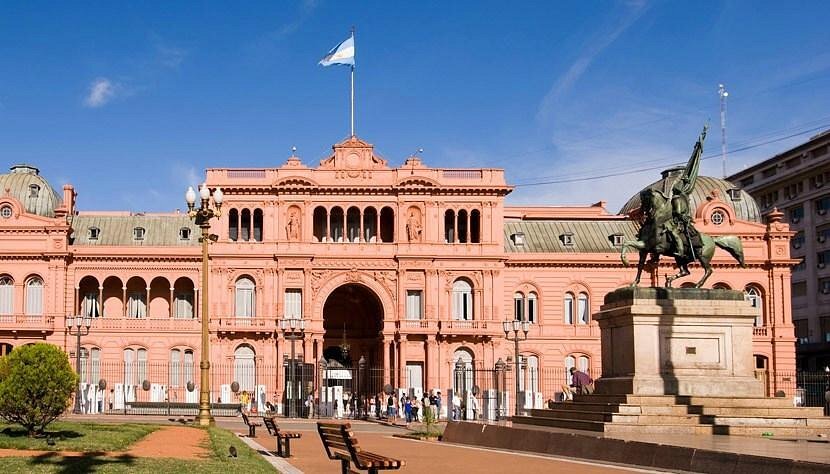
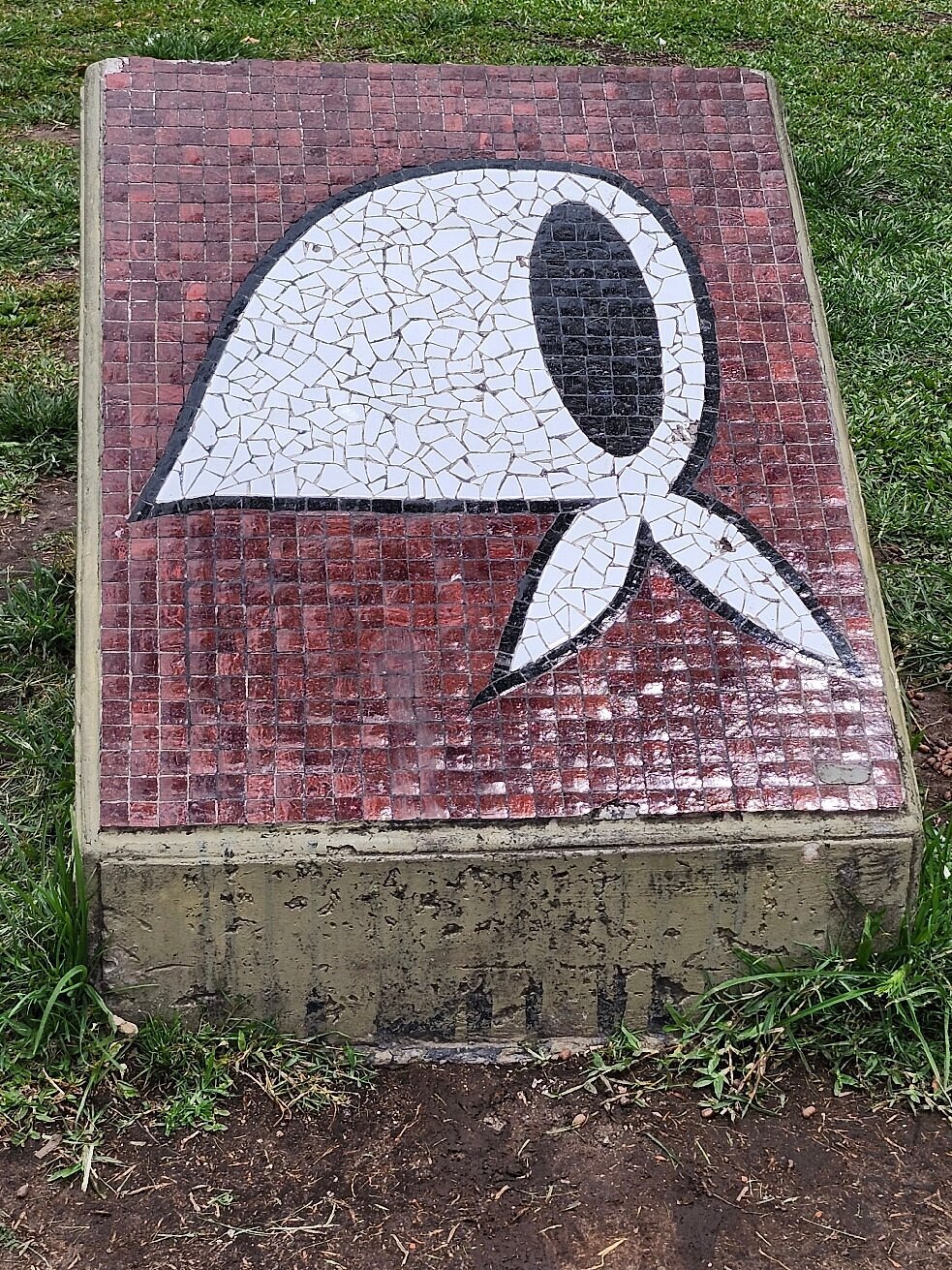
….. details …. Walking in PLAZA DE MAYO, you notice small drawings on the pavement: white scarves. They tell one of the most painful pages of Argentine history, when, during the military dictatorship (1976–1983), thousands of people were kidnapped and made to vanish into nothing: the desaparecidos.
Faced with this silence, a group of MOTHERS began to walk in circles right here, every week, asking for truth about their children (it was in fact forbidden to protest or gather). They wore a white scarf on their heads, later reproduced on the ground in PLAZA DE MAYO and many other Argentine squares as a symbol. They are not only a memory. They are a presence.
And even today, every Wednesday, some mothers keep walking in a circle in that square. Calling it moving is an understatement.
San Telmo:
the city’s most authentic soul
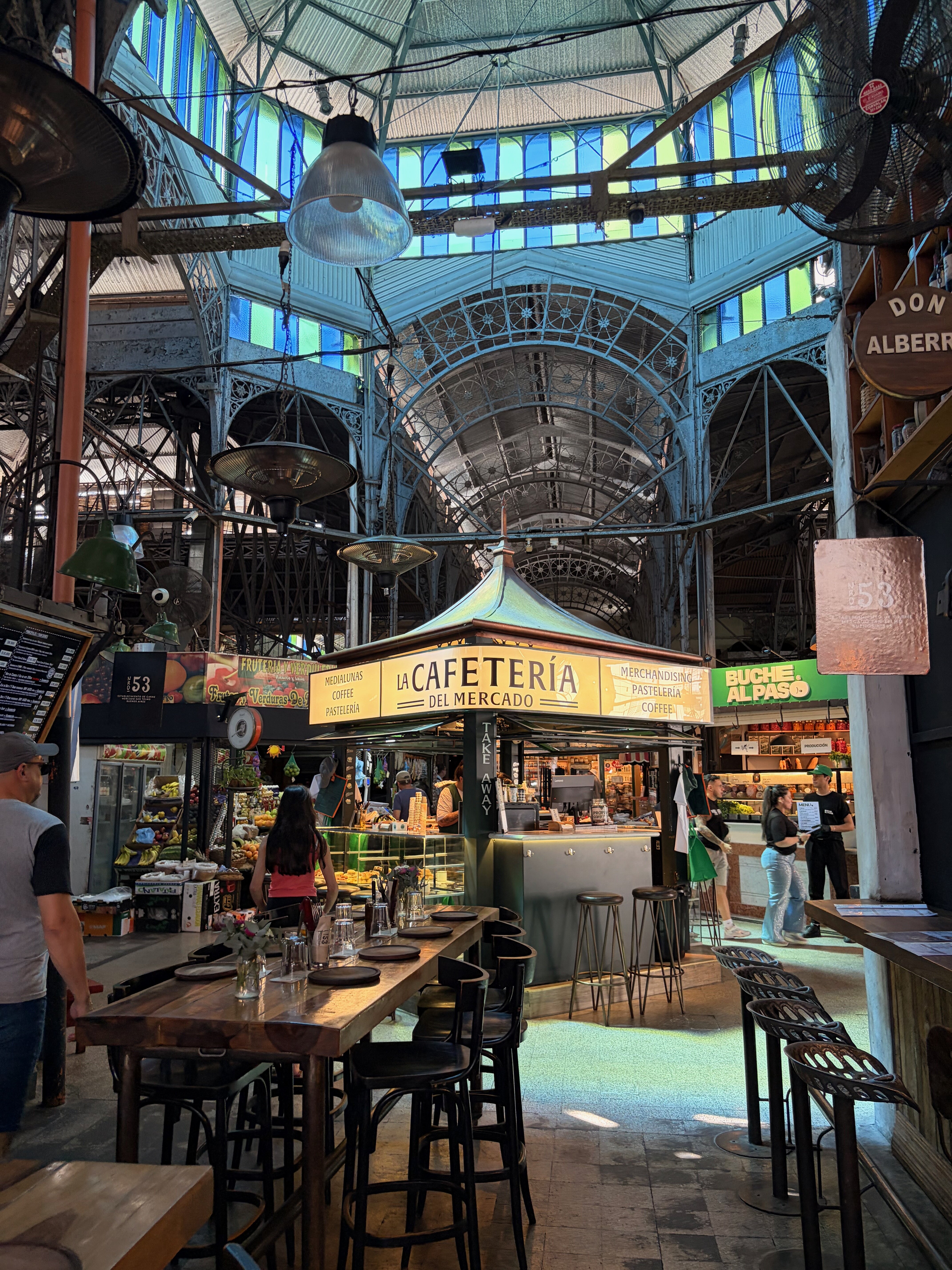
Among Buenos Aires’ most charming neighborhoods, San Telmo is the one that best preserves the city’s original identity. Cobblestone streets, historic buildings, and a timeless atmosphere make it the perfect place to wander aimlessly.
Not to be missed:
the Mercado de San Telmo, a perfect mix of antiques, crafts, and street food
the Casa Minima, the city’s narrowest house, almost hidden between two buildings
San Telmo is also the neighborhood of the most authentic tango. Here you don’t need to step into a theater: just stop in a square and wait…….
La Boca: color, football and identity
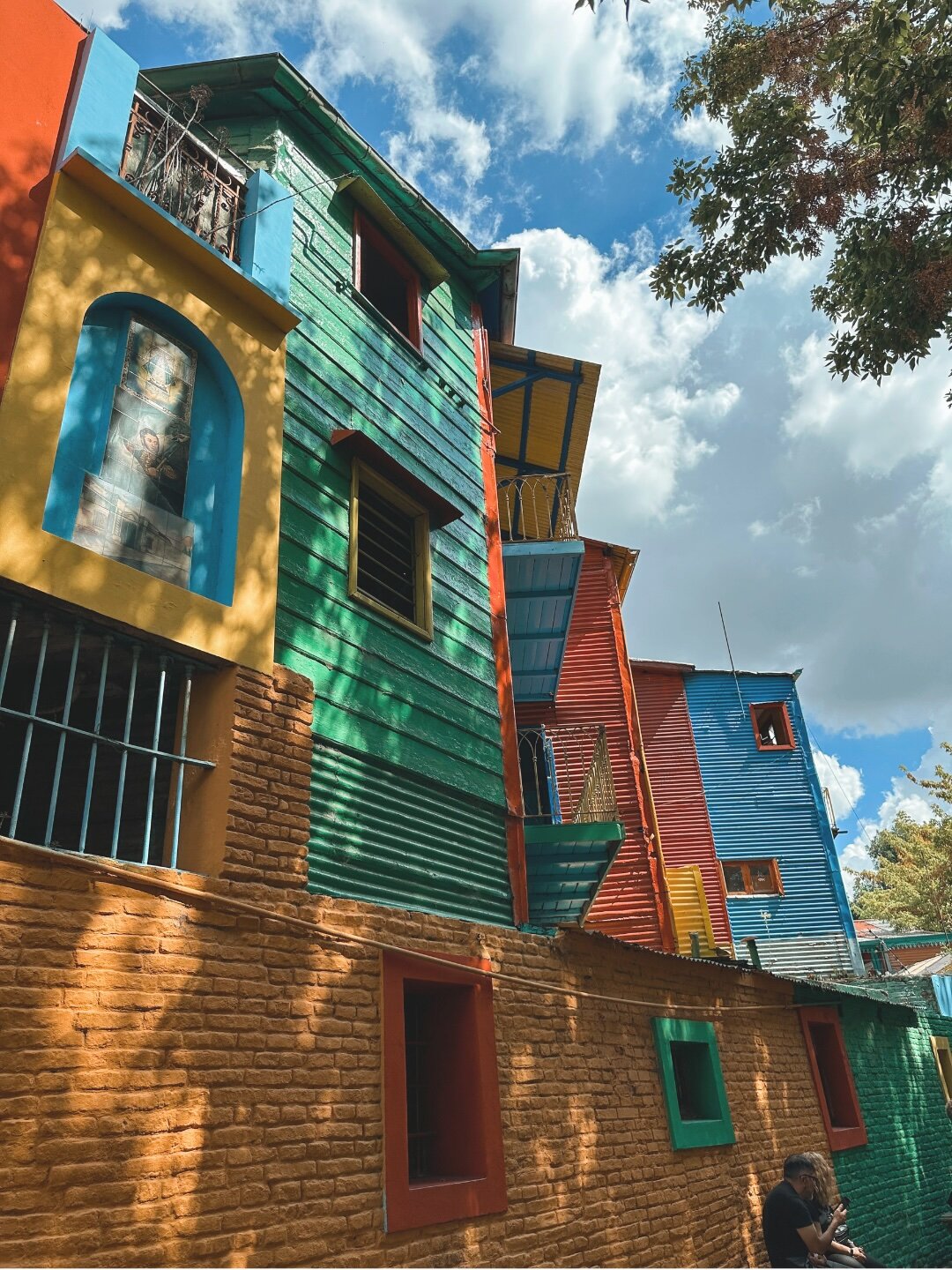
And then you arrive in La Boca.
A neighborhood you don’t forget.
Bright colors, music, murals and an energy you feel everywhere.
Yes, it’s touristy… but it’s also deeply authentic.
Here tango lives on the street, among artists and musicians.
And in La Boca you’ll also find one of the most iconic places for football fans:
⚽ La Bombonera
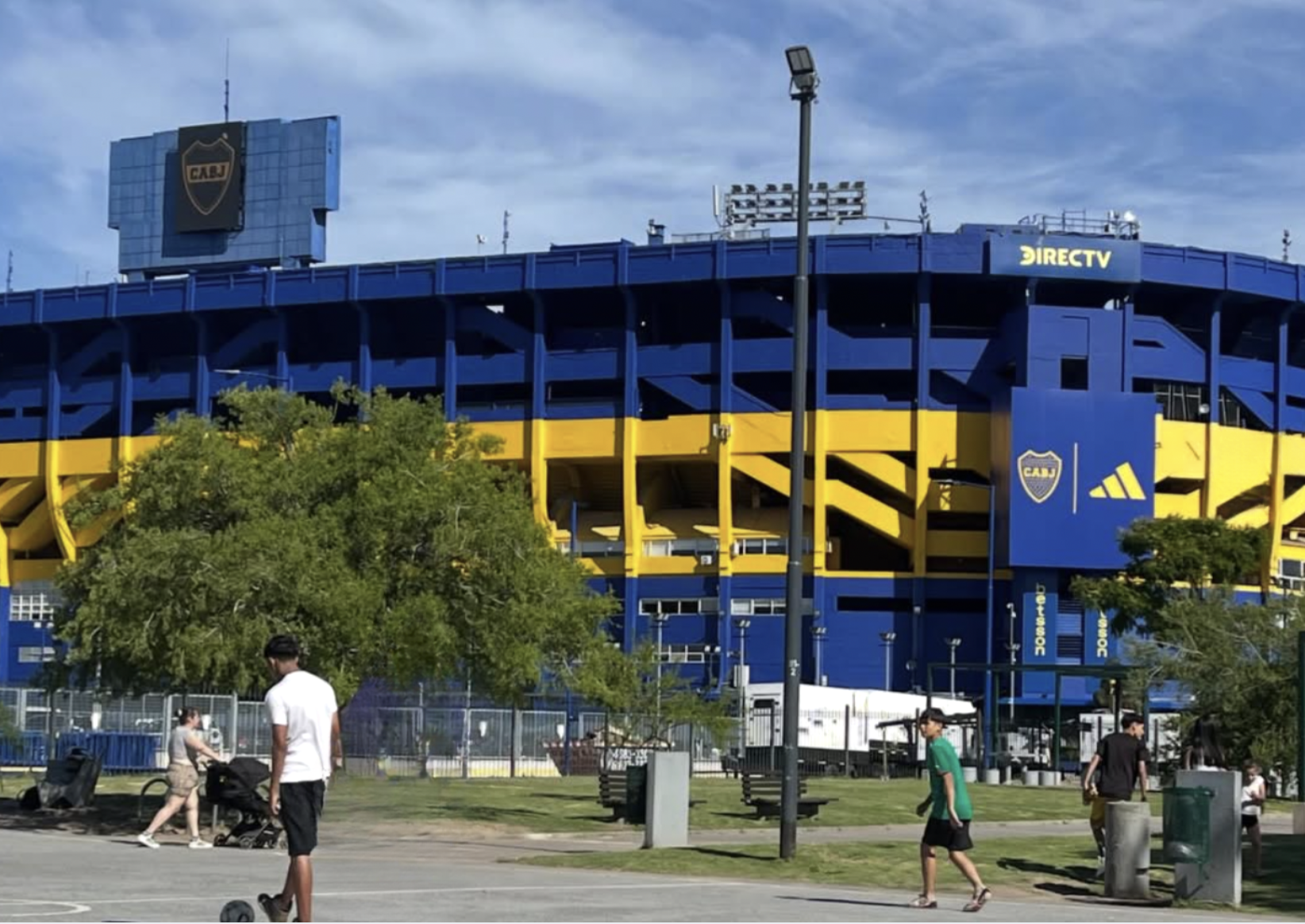
The Boca Juniors stadium, opened in 1940, is one of the most iconic in the world.
With a capacity of about 49,000 spectators, it is famous for its unique structure and for the incredible atmosphere during matches. The name “Bombonera” comes from the stadium’s shape, which resembled a box of chocolates. Inside, you can also visit a museum with a hall of fame and a mural dedicated to Diego Armando Maradona
• • unique memorabilia, such as a guitar made for a Lenny Kravitz concert
Finally, how could we not remember the
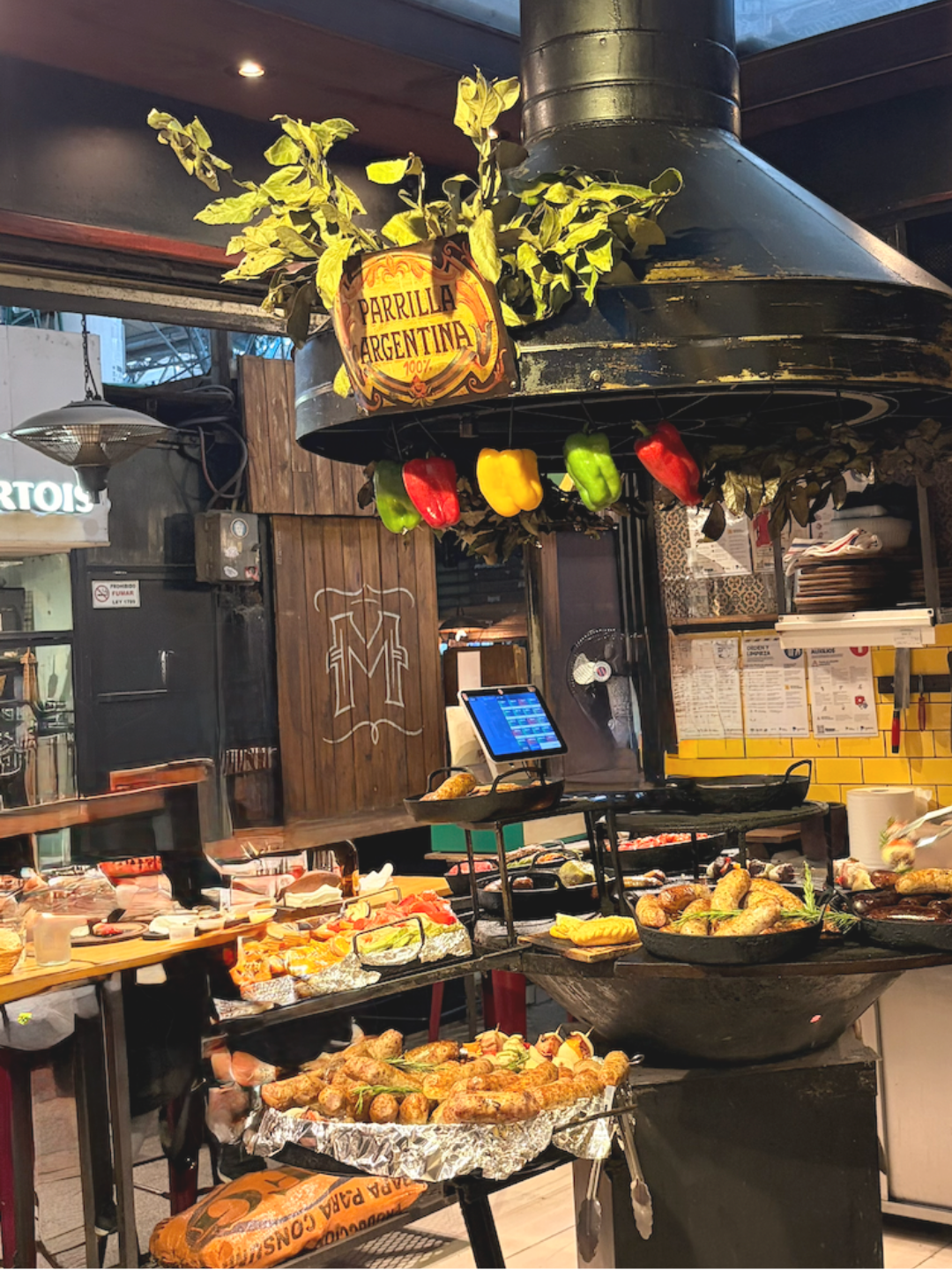
Argentinian parrilla, meat and vegetables, expertly and slowly grilled, to then share with Family and Friends. I suggest the restaurants La Cabrera (Palermo) or El Desnivel (San Telmo). Two different experiences, but both authentic.
And then there’s Tango, maybe at El Viejo Almacén or at La Ventana Tango Show, even if, for me, the real tango… is the one you meet in the street.
Buenos Aires is a city that stays with you.
It gets under your skin precisely because it’s made of contrasts, emotions and stories.
A real Experience.
To be continued ……